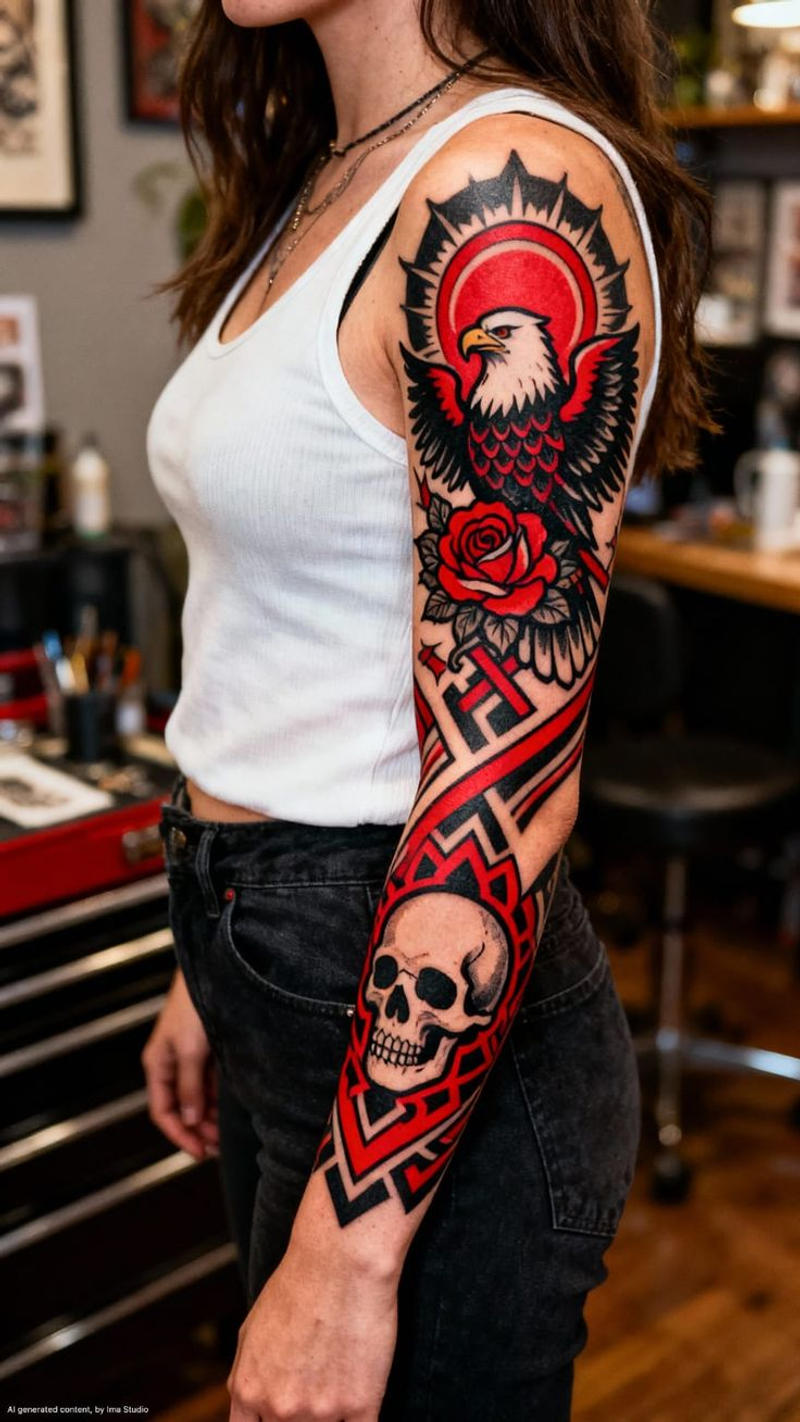
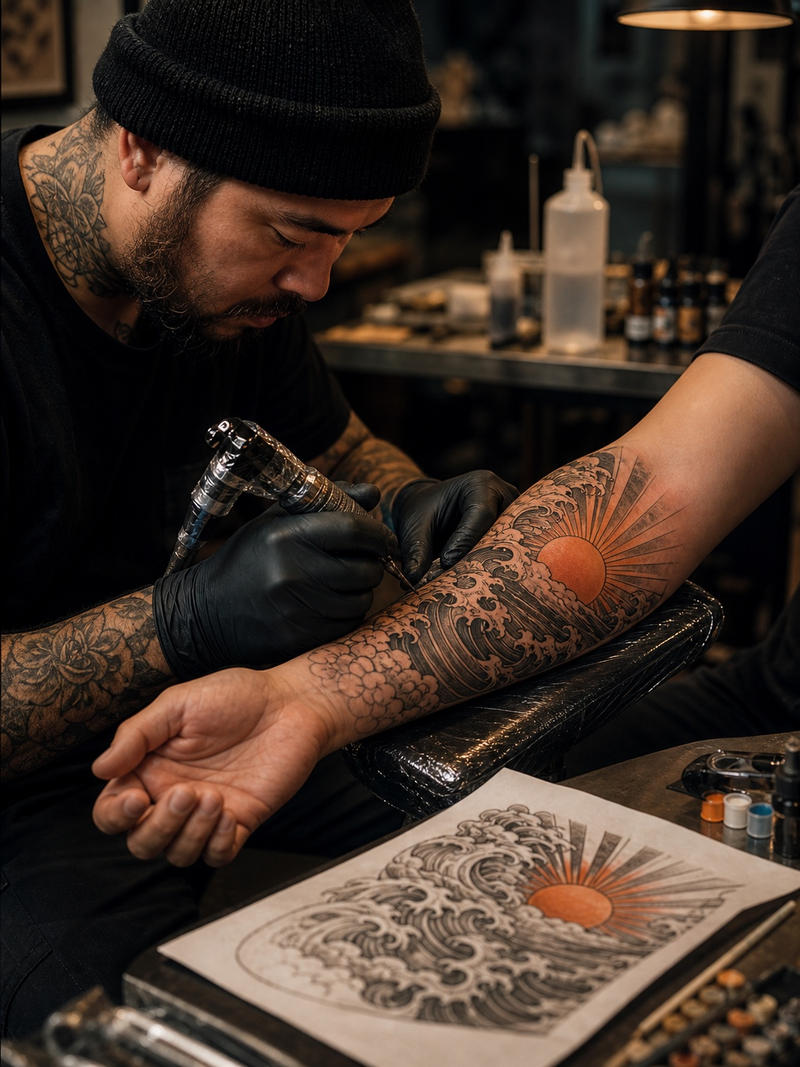
Your artist is going to send you home with an aftercare card. It will be short, professional, and mostly correct. It also cannot possibly prepare you for how strange your own body will feel about the piece for the next 30 days. That is what this article is for.
Everything below comes from a mix of dermatology, our own reviewer data, and what our contributing artists tell first-time clients when nobody else is listening. If your artist gave you something different, listen to your artist — they saw the piece leave their needle, and we didn't.
Days 1–3 — The weeping stage
Your tattoo is an open wound. Not a metaphorical one. A literal, technically-a-graze wound with ink in it. It will weep clear plasma, a little blood, and probably some extra ink. This is fine, and it is not your tattoo "falling out."
What to do: Follow the wrap protocol your artist gave you. If it's second-skin (a clear medical film), leave it on for the exact window they said — usually 24 to 72 hours — even if the little pool of gunk under the film freaks you out. That pool is doing its job.
What to worry about: Real red-flag signs are a fever, spreading heat that goes beyond the tattoo, or pus that is thick and yellow. Not clear plasma. Not itch. Actual pus, actual heat, actual fever. If those show up, message your artist and call your doctor.
The shower question
You can shower. Do not soak. No baths, no pools, no hot tubs, no ocean for two full weeks. The shower rule is short (in and out), warm not hot, and no direct spray on the tattoo. Pat dry with a clean paper towel — not a hand towel, which is a mildew farm no matter how clean your house is.
Days 4–7 — The flaking stage
Your tattoo is going to look bad this week. Accept it now. The top layer of your skin is preparing to peel, and it will peel in flakes that carry pigment with them. You will look down at your palm and see what looks like a tiny piece of your tattoo in it. This is completely normal and is not the tattoo failing. It's dead epidermis. Your actual tattoo lives deeper.
What to do: Moisturize thinly, several times a day. Thin coats. If your unscented aftercare lotion is visible on the skin, it is too much. The tattoo should look like it has a whisper of shine, not a slick.
What NOT to do: Do not pick. Do not scratch. Do not peel. Slap the skin gently if the itch is unbearable — it disrupts the itch signal without wrecking the piece.
Days 8–14 — The itch stage
The tattoo is going to itch worse than a mosquito bite. This is because your body is closing the epidermal wound, and closing tissue itches. This is the hardest week to be disciplined. You've stopped babying it, the "fresh" look is gone, and you might think you're mostly done. You aren't.
Keep moisturizing. Keep it out of the sun. Keep it clean.
Days 15–30 — The settling stage
On the surface, your tattoo now looks "done." It isn't. The dermis — where the ink actually lives — takes closer to six weeks to finish healing. During this window your tattoo can still be affected by:
— Sun exposure. This is the single biggest predictor of how well your tattoo will age. Cover it or use mineral SPF 30+ for at least three months.
— Chlorine and salt water. Wait a full four weeks minimum before pools or oceans. If you cheat this, your artist will know from the fade.
— Aggressive exfoliation. Any scrub, retinol, or exfoliating acid within a hand's width of the tattoo. Full stop until week six.
At the 30-day mark, take a photo. Then take one at three months, one at six months, and one at a year. This is the timeline that actually tells you how good the work was — not the day you got it. It's also, not coincidentally, exactly the data our whole platform runs on.
When to call your artist (not your doctor)
Most healing anxiety is a "text your artist a photo" problem, not an ER visit. Good artists want the photo. It tells them how their needle depth worked with your skin, and it lets them coach you back on track for the next few weeks. If you don't feel like you can text your artist a healing photo without judgment, we would gently suggest that's information about the artist worth knowing.
The takeaway
Aftercare is boring. That's the point. The best-healed tattoos look like nothing happened for 30 days — because someone showered gently, patted dry with a paper towel, moisturized thinly, and didn't pick. That's it. That's the trick.